

To be honest, when my income was limited, the word “saving” seemed a little scary to me. I thought saving was only for people with a good salary. In my case, just looking at the balance at the end of the month would stress me out. Sometimes I felt my income was low, sometimes my expenses were high. But with time, I realized that saving is not based on income, but on habits .
In this blog, I ‘m sharing real-life lessons I learned during my low-income phase . These aren’t textbook tips, but simple, practical things that have actually worked for me.
1. It is necessary to accept the truth first
First, I accepted that my income was still limited, and there was nothing to be ashamed of. Until we accepted reality, we couldn’t even begin to find a solution.
Personal experience: As I looked at my situation honestly, I started making fewer impulsive decisions.
2. Create a Budget, But Keep It Realistic
I used to make very strict budgets that would fail within a week. Then I started making a realistic budget. I wrote just three things:
- Fixed expenses
- Important needs
- Thode se wants
Lesson: A followable budget is more important than a perfect budget .
3. “Saving from the remaining money” – this is a wrong thought

My biggest mistake was thinking I would save whatever money I could spare. But the truth is, I often don’t save anything at all. Then I changed my rule – start saving a small amount as soon as you earn income . Whether it’s ₹500 or ₹1000, it doesn’t matter. Consistency matters.
4. Small Expenses That Don’t Feel Bad
The biggest loss on low income is small expenses – online food, random shopping, subscriptions which even she is not able to afford.
My rule: If something is not immediately needed, then wait for 24 hours. In most cases the urge subsides on its own.
5. Avoid Comparing Your Lifestyle to Others

Seeing the lifestyle of people on social media, I used to think, “I deserve this too.” But then I would feel guilty when my budget got ruined.
Hard truth I learned: Online lifestyle is more curated than real life. Living according to your capacity is real smartness.
6. Emergency Fund – Even if it is small, why not?
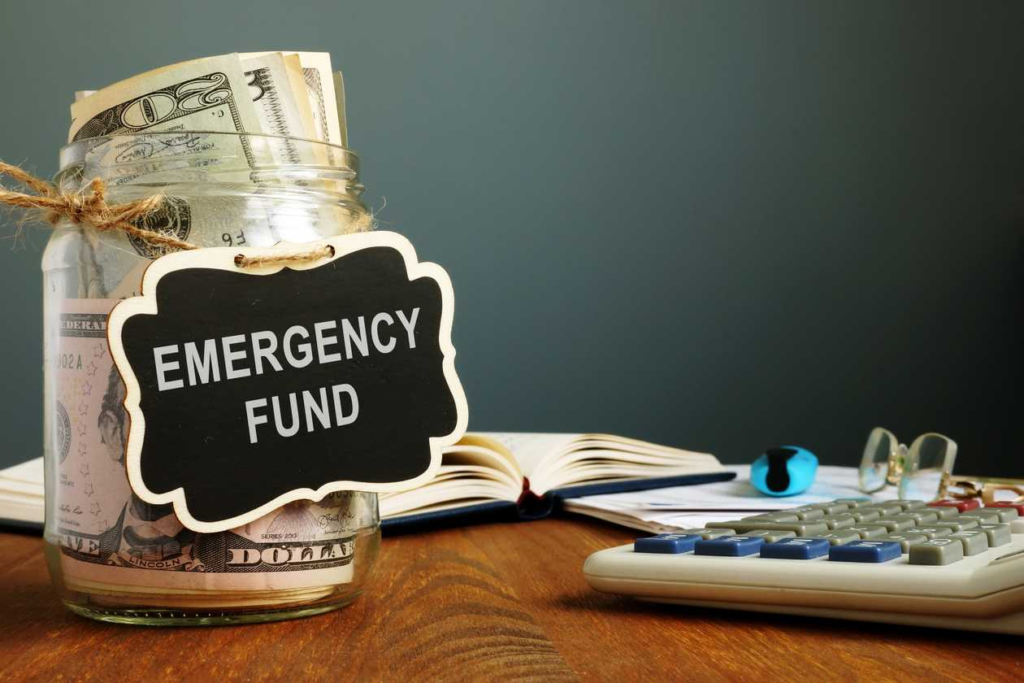
I used to think I’d start an emergency fund when my income was higher. But when an unexpected expense arose, I realized that even a small emergency fund can be a lifesaver . I keep it a little different every month – without touching it.
7.Maintain a Balance: Cash vs. Digital
Digital payments are easy, so the thought of spending doesn’t even occur. I started keeping some expenses in cash – like groceries.
Result: You feel pain while spending cash and unnecessary expenses are reduced.
8. Small Options for Extra Income

Low income doesn’t mean there are zero earning options. I tried small ways – freelance work, improving extra skills, online learning.
Personal belief: Income does not double immediately, but skills definitely grow – and that becomes future income.
9. Understanding the Real Value of ‘Free’ Things
I used to think paid things were better. But free resources—free workouts, free learning content, free entertainment—all helped me immensely.
A simple rule of saving: When you are getting it for free, then why pay?
10. Adopting ‘No-Spend Days
I set aside one or two days a week when I don’t spend at all. No shopping, no online orders – just the basics.
Surprisingly: This makes me feel in control, not deprivation.
11. Learn to Respect Your Money
When income is low, every rupee counts. I stopped taking my money for granted. This mindset change became the foundation of my savings.
12. Guilt-Free Enjoyment Is Also Necessary

Saving doesn’t mean life becomes boring. I keep some space in my budget for fun – even if it’s a little. Balance is the key.
What Saving on Low Income Taught Me
I learned that money isn’t just numbers, it’s also emotions. When we develop a respectful relationship with money, saving starts naturally.The low-income phase taught me discipline, patience, and gratitude. And honestly, these lessons remain with me today—even if my income increases.
Final Thoughts
If you’re on a low income and finding saving difficult, don’t blame yourself. Take small steps. Walk slowly. But don’t stop. Saving is a habit, and habits are not formed by looking at income – they are formed by intent .
The money-saving tips shared in this blog are based on my personal experiences and learnings. Everyone’s income, expenses, and financial situation are different, so apply these suggestions based on your own circumstances and comfort level. This content is not a replacement for professional financial advice, but rather for awareness and motivation.
#MoneySavingTips #LowIncomeSaving #PersonalFinance #SmartMoneyHabits #BudgetingLife #SaveMoneyDaily #FinancialDiscipline #MoneyMindset #FinancialWellness #SimpleLiving #MoneyManagement #FinanceJourney#Carrerbook#Anslation