

Sports media is changing fast. The days when analysts stayed behind desks and athletes were discussed from a distance are fading. In their place is a new generation of media personalities who blur the lines between journalism, entertainment, and personal branding. Emily Austin stands out as one of the clearest examples of this shift — not just because of her growing visibility, but because of what her career represents for the future of sports storytelling.
Emily Austin is not simply covering sports. She is becoming part of the culture surrounding them.
The Shift From Traditional Sports Media

For decades, sports media followed a predictable formula. Reporters reported, analysts analyzed, and personalities stayed within carefully defined roles. Social media existed on the side, not at the center. That model no longer works for a digital-first audience that wants immediacy, authenticity, and connection.
Today’s sports fans don’t just want box scores or postgame breakdowns. They want personalities they can relate to, follow daily, and interact with directly. Platforms like Instagram, YouTube, and X have turned sports media into a two-way conversation.
Emily Austin fits naturally into this new ecosystem. Her work reflects a generation that understands sports coverage is no longer limited to studios and press boxes.
“Sports media today is about connection as much as credibility.”
Emily Austin’s Rise in a Crowded Media Space

Breaking into sports media has never been easy, and the competition is only getting tougher. What makes Emily Austin’s rise notable is how deliberately she has built her presence across multiple platforms while staying closely tied to sports culture.
Rather than relying on one outlet or format, she has positioned herself as both a media professional and a recognizable digital personality. Her visibility isn’t accidental; it reflects an understanding that modern sports media careers are built in public.
Emily Austin’s content often combines sports insight with lifestyle elements, giving fans a fuller picture of who she is. This approach resonates with younger audiences who expect authenticity rather than polished distance.
“The modern sports personality doesn’t just report the game — they live within the conversation around it.”
Branding Is No Longer Optional
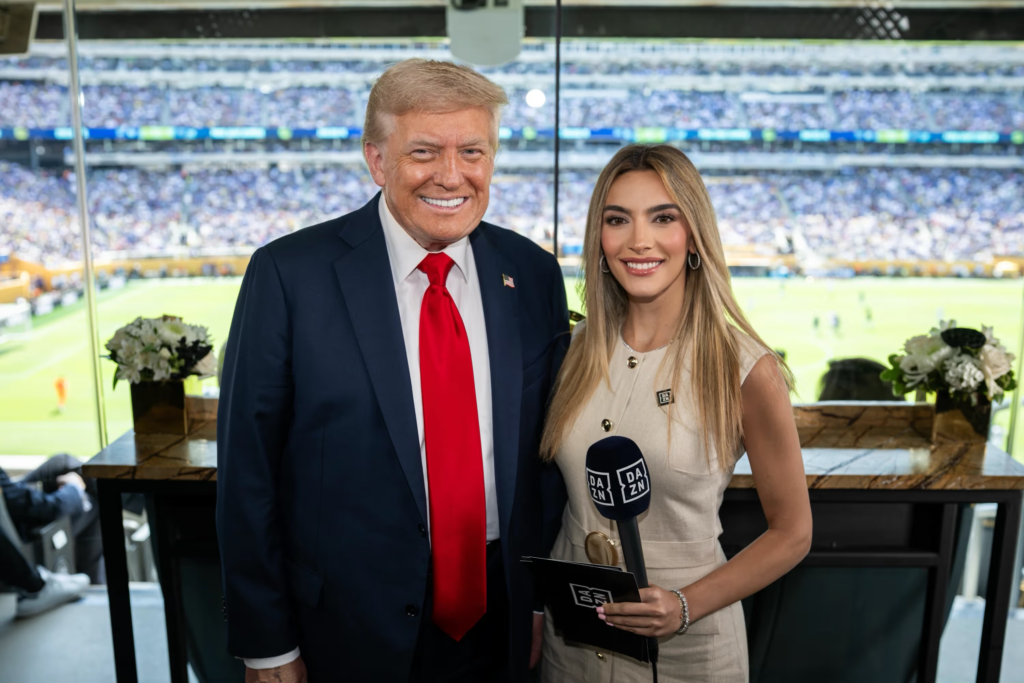
One of the biggest changes in sports media is the role of personal branding. In the past, journalists worked for brands. Today, many are the brand.
Emily Austin represents this shift clearly. Her name, image, and voice travel across platforms independently of any single employer. This doesn’t diminish professionalism; it enhances reach.
Audiences now follow people, not just networks. Trust is built through consistency, visibility, and relatability. Emily Austin’s brand aligns with this reality, blending credibility with approachability in a way traditional media often struggled to achieve.
The Power of Social Media Presence

Social media is not a side project anymore — it is the main stage. Emily Austin’s ability to engage audiences outside traditional broadcasts shows how influence is now measured.
Clips, commentary, behind-the-scenes moments, and real-time reactions all matter. Fans want to feel close to the action and closer to the people covering it.
This doesn’t mean depth has disappeared. It means depth is delivered differently. Short-form content draws attention, while longer discussions build authority. Emily Austin moves between these formats with ease, reflecting how modern sports media operates.
“Attention is earned today, not assumed.”
Representation and Visibility in Sports Media

Another important part of the new era is expanded representation. Sports media is slowly becoming more diverse in voices, perspectives, and presentation styles. Emily Austin’s presence contributes to that evolution.
Visibility matters. When audiences see different kinds of people occupying space in sports media, it broadens the definition of who belongs there. That cultural impact is often understated, but it shapes the future of the industry.
Emily Austin’s success reflects a media environment that is finally opening doors wider — though challenges still exist.
Critics, Pressure, and Public Scrutiny
With increased visibility comes increased scrutiny. Sports media personalities today face constant judgment, often extending beyond their professional work. Emily Austin, like many in the public eye, navigates an environment where personal branding can invite both praise and criticism.
The new era demands resilience. Every post, appearance, or opinion can spark conversation. Yet this visibility also allows personalities to control their narratives more than ever before.
What Emily Austin Represents for the Future

Emily Austin is not just an individual success story. She represents a larger movement in sports media — one where personality, accessibility, and digital fluency matter as much as traditional credentials.
Aspiring sports journalists and creators can look at her path as evidence that the industry is evolving. The route to relevance is no longer singular. It’s multifaceted, public, and deeply connected to audience trust.
The future of sports media belongs to those who can inform, engage, and adapt. Emily Austin is doing exactly that.
Myths and Facts About Emily Austin and Modern Sports Media
Myth: Emily Austin’s success is only because of social media
Fact: Social media increased her reach, but credibility, consistency, and sports knowledge sustain her career.
Myth: New-age sports media personalities lack professionalism
Fact: Modern sports media requires multiple skills, including reporting, digital storytelling, and audience engagement.
Myth: Personal branding weakens sports journalism
Fact: Personal branding strengthens connection without reducing credibility.
Myth: Appearance matters more than talent in today’s sports media
Fact: Visibility may attract attention, but long-term success depends on substance and performance.
Myth: Traditional sports media is becoming irrelevant
Fact: Traditional journalism remains essential while adapting to digital platforms.
Final Thought
Emily Austin’s rise highlights a defining truth about modern sports media: the industry is no longer just about reporting games — it’s about building relationships with audiences. As sports coverage continues to evolve, personalities like Emily Austin will help shape how fans connect with the games they love and the voices they trust.
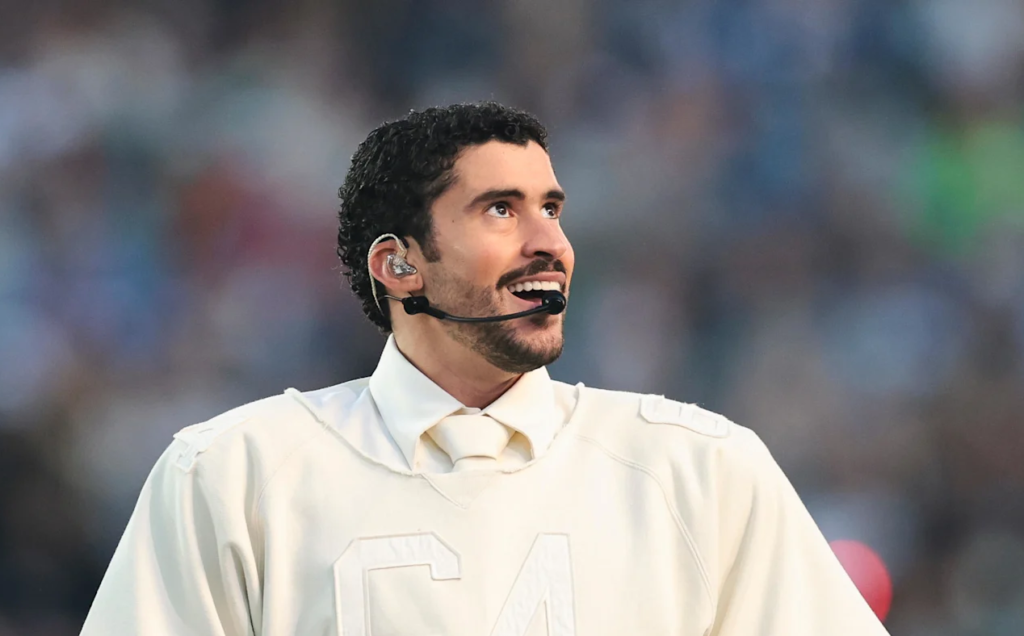
Bad Bunny’s Halftime Show Sparks Debate — What You Need to Know
Bad Bunny’s headline performance at the Super Bowl LX Apple Music Halftime Show on February…
Super Bowl 2026 Results: Seahawks Secure 29-13 Victory Over New England
The Seattle Seahawks have emerged as champions of Super Bowl LX, defeating the New England…

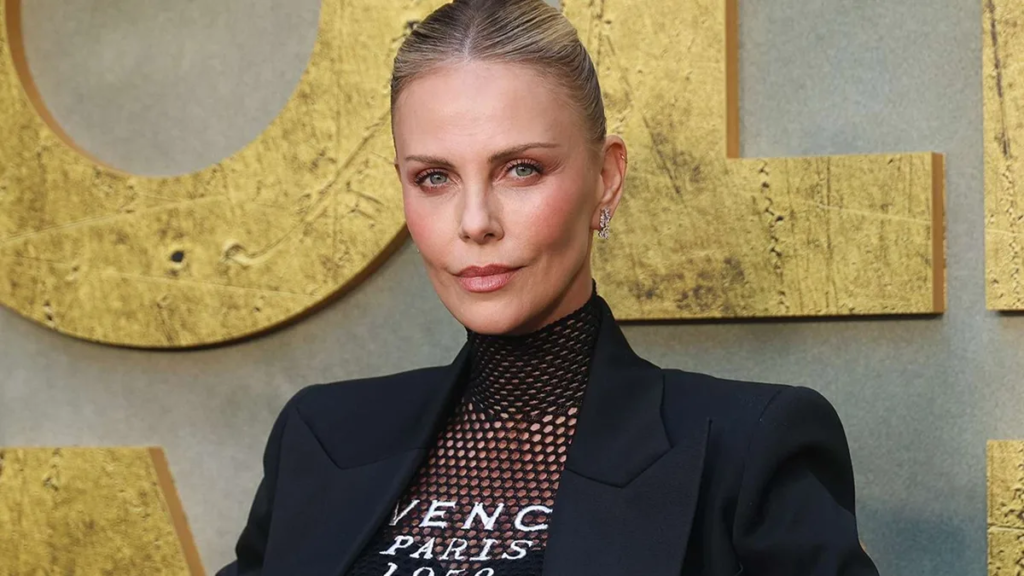
Why Charlize Theron Is Everywhere Right Now: Films, Fashion & Fame
Charlize Theron’s name is trending across entertainment news, fashion circles, and global events more than…
Disclaimer
This article is for informational and commentary purposes only. It is based on publicly observable trends in sports media and does not claim insider knowledge or represent any official affiliation with Emily Austin or related organizations.
Hashtags
#EmilyAustin #SportsMedia #NewMediaEra #SportsJournalism #DigitalCreators #MediaPersonalities #ModernJournalism #Carrerbook #Anslation