
Starting something new is exciting, but it can also feel confusing and overwhelming. I clearly remember the phase when I wanted to learn new skills—blogging, basic tech tools, online work, even simple tutorials on the internet—but I didn’t know where to begin. There was too much information, too many opinions, and too many “expert” voices that made me feel like I was already late.
This blog is written for absolute beginners, based on my own experience of starting from zero. No complicated terms, no pressure—just simple guidance and honest lessons I learned while beginning my journey.
1. Accept That You Are a Beginner (This Is Important)
The first and biggest lesson I learned was to accept being a beginner. Earlier, I used to feel embarrassed asking basic questions or making mistakes. I thought everyone else already knew everything.
But the truth is:
- Everyone starts from zero
- Making mistakes is part of learning
- Being a beginner is not a weakness
Once I accepted this, learning became much easier and less stressful.
2. Be Clear About What You Want to Learn

In the beginning, I tried to learn too many things at once. That only confused me. So I started asking myself:
- What exactly do I want to learn?
- Why do I want to learn it?
- How will it help me?
Clarity helped me stay focused. Whether it’s learning a new skill, tool, or subject—pick one thing first.
3. Start with the Basics, Not Advanced Stuff
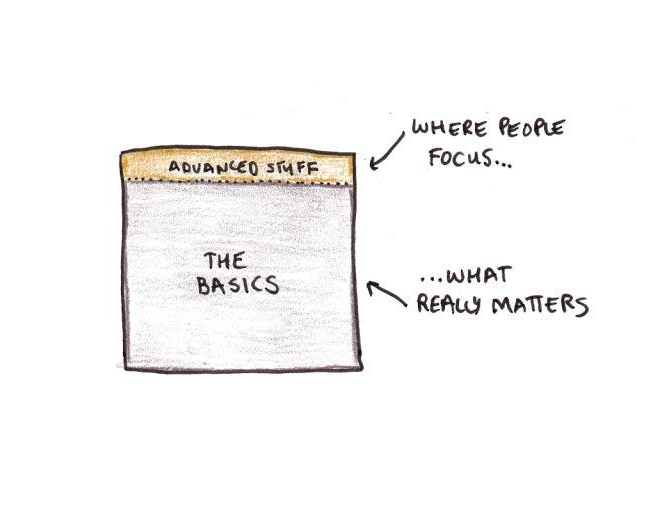
One mistake I made early on was jumping directly into advanced tutorials. I skipped the basics because I thought they were “too simple.” Later, I realized:
- Basics build confidence
- Strong basics make learning faster
- Skipping basics creates confusion later
So my advice: never skip beginner-level tutorials, even if they feel slow.
4. Choose Simple and Trusted Learning Sources

There is unlimited content online, but not all of it is beginner-friendly. I wasted a lot of time watching random videos and reading complex articles. What worked for me:
- Simple language tutorials
- Step-by-step guides
- Content that explains “why,” not just “how”
Don’t chase too many sources. Choose 1–2 reliable resources and stick with them.
5. Learn by Doing, Not Just Watching
This was a big turning point for me. Earlier, I used to watch tutorials and think I had learned something. But when I tried to apply it, I got stuck. Real learning started when I:
- Practiced alongside tutorials
- Tried things on my own
- Made mistakes and fixed them
Even small practice sessions made a big difference.
6. Don’t Compare Your Beginning with Someone Else’s Middle
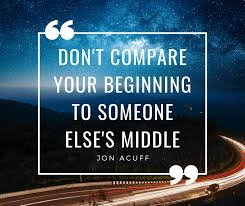
Comparison slowed me down the most. I used to see people who were already good and feel discouraged. Then I reminded myself:
- They were beginners once too
- Everyone learns at a different speed
- Progress matters more than perfection
Once I stopped comparing, I started enjoying the learning process.
7. Create a Simple Learning Routine

You don’t need to study for hours every day. I started with 30–45 minutes daily, and that was enough. What helped me:
- Fixed time for learning
- Small daily goals
- Consistency over intensity
Learning regularly—even for a short time—worked better than long, irregular sessions.
8. Ask Questions Without Fear
Earlier, I hesitated to ask questions because I thought they were “too basic.” But asking questions actually helped me learn faster.
You can:
- Ask in comments
- Join beginner communities
- Search your doubts online
Remember: there are no silly questions for beginners.
9. Expect Confusion (It’s Normal)
There were days when nothing made sense to me. I felt stuck and frustrated. Earlier, I thought that meant I wasn’t capable. Now I know:
- Confusion means you are learning something new
- It’s part of the process
- It passes with time and practice
When I felt confused, I took a break and came back later. That helped a lot.
10. Celebrate Small Wins
One thing that kept me motivated was celebrating small progress:
- Understanding a concept
- Completing a basic tutorial
- Applying something successfully
Small wins build confidence and push you to continue.
11. Be Patient with Yourself

Learning takes time. I wanted fast results, but progress was slow—and that’s okay. Some days you’ll feel motivated, some days you won’t. What matters is not quitting. Patience and consistency matter more than speed.
12. Keep Improving Step by Step
Once you understand the basics:
- Slowly move to intermediate topics
- Practice more
- Improve gradually
There’s no rush. Learning is a journey, not a race.
Final Thoughts
Starting as a beginner can feel scary, but it’s also powerful. It means you’re choosing growth. From my personal experience, the key things that helped me were:
- Starting small
- Staying consistent
- Being patient
- Learning with curiosity, not pressure
If you’re just getting started, remember this: you don’t need to know everything to begin—you just need to begin.
This blog is based on personal experience and self-learning observations. Learning methods, speed, and results may vary from person to person. The content is meant for general guidance and motivation only and does not guarantee specific outcomes.
#BeginnerTutorial#StartWithBasics#LearningFromScratch#PersonalGrowth#StepByStepLearning#BeginnerJourney#SkillBuilding#HumanWrittenContent #LearningTips#Carrerbook#Anslation