
M&M’s have long been one of the world’s most recognizable and loved chocolate candies. However, recent recall news has sparked concern among consumers, especially those who regularly purchase these colorful treats. Searches related to “M&M recall” and “Are M&M’s safe to eat?” have been trending across Google, showing growing curiosity and confusion about the situation. Here’s a complete, easy-to-understand breakdown of the latest updates, safety concerns, and expert insights.
What Triggered the Recent M&M Recall
The recent recall involving M&M candies was issued after safety officials identified labeling errors in certain promotional packaging. According to reports, more than 6,000 candy units were recalled after authorities discovered that the packaging failed to properly mention key allergens such as milk, soy, and peanuts.
The recall was classified as a Class II safety alert. This classification means the affected products could cause temporary or medically reversible health effects, especially for individuals with food allergies.
Interestingly, the issue did not originate from contamination or manufacturing defects in the chocolate itself. Instead, the concern came from incorrect or incomplete labeling on repackaged promotional versions of the candies.
Which M&M Products Are Affected
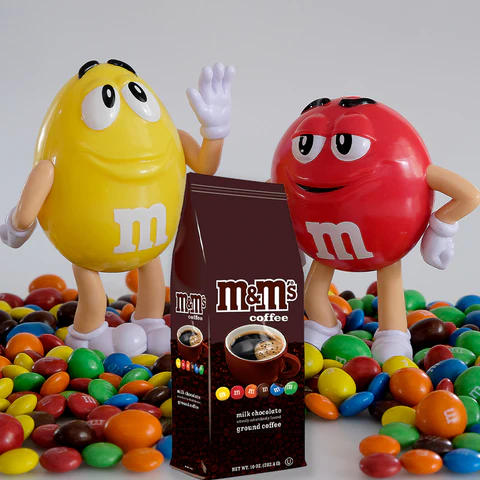
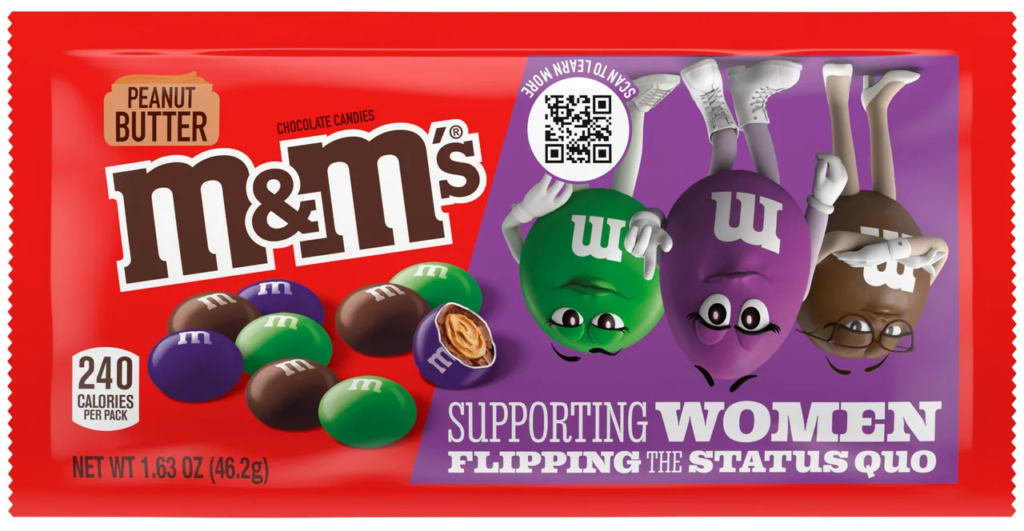
Recent recall updates show that only a limited number of promotional packs were involved. These included small 1.3-ounce bags of regular and peanut M&M candies distributed under branded promotional labels.
Some key details linked to the recalled batches include:
- Distribution across multiple U.S. states
- Specific lot codes and best-by dates ranging from late 2025 to September 2026
- Promotional packaging created for corporate or event marketing campaigns
Consumers are advised to check packaging labels carefully, especially if the candy was received through promotional events or corporate giveaways.
Are Regular Store-Bought M&M’s Safe
According to safety officials and recall announcements, the majority of M&M products available in standard retail packaging remain safe for consumption. The recall only affects select repackaged promotional items with incorrect allergen labeling.
Experts emphasize that people without allergies to peanuts, soy, or milk generally face no health risk from consuming the recalled candies. However, individuals with severe allergies could experience serious or even life-threatening reactions if allergen information is missing.
For most consumers, this means the recall is precautionary rather than an indication that all M&M products are unsafe.
Why Allergen Labeling Matters
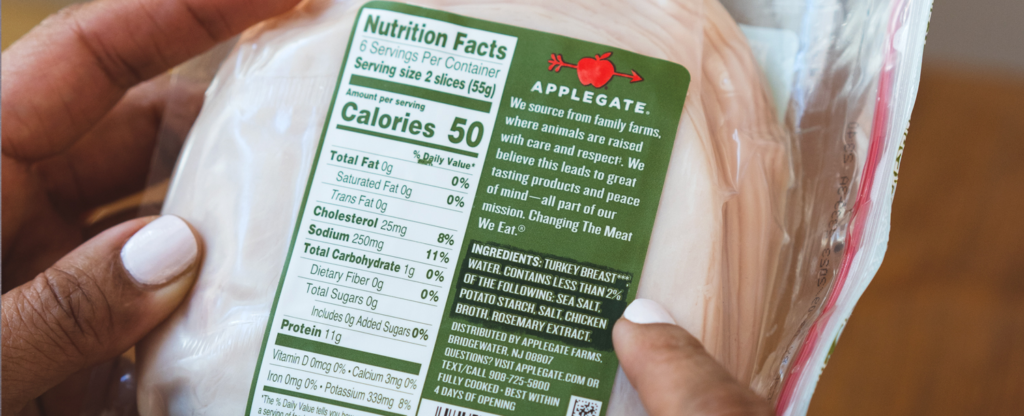
Food allergy labeling plays a critical role in consumer safety. Even trace amounts of allergens like peanuts or dairy can trigger reactions ranging from mild discomfort to severe anaphylaxis.
Food safety experts frequently stress that incorrect labeling is among the most common causes of food recalls globally. When allergens are not clearly disclosed, individuals with sensitivities may unknowingly consume dangerous ingredients.
The M&M recall highlights how packaging errors, rather than product quality, can still create serious health risks.
What Consumers Should Do Now
If you currently have M&M candies at home, experts recommend taking a few simple steps:
1. Check Packaging Details
Look for promotional labels, lot codes, and expiration dates mentioned in recall alerts.
2. Review Ingredient Information
If allergen details are missing or unclear, avoid consuming the product.
3. Consider Personal Allergy Risks
People with peanut, milk, or soy allergies should be especially cautious.
4. Dispose or Return Affected Products
Consumers with recalled items are typically advised to discard them or return them for refunds.
Expert Insights on Food Recall Trends
Food recalls have increased in recent years due to stricter safety regulations and improved monitoring systems. Experts believe this rise actually reflects stronger consumer protection rather than declining product quality.
In many cases, recalls occur before any illness is reported. In the M&M situation, authorities acted quickly after identifying the labeling issue, helping prevent potential allergic reactions.
Should Consumers Be Concerned
The overall risk for the general population remains low. The recall is limited in scale and focuses mainly on labeling mistakes rather than contamination or ingredient safety.
However, allergy sufferers should remain vigilant and carefully review food packaging, especially when receiving promotional or customized products.

Bad Bunny’s Halftime Show Sparks Debate — What You Need to Know
Bad Bunny’s headline performance at the Super Bowl LX Apple Music Halftime Show on February…

Super Bowl 2026 Results: Seahawks Secure 29-13 Victory Over New England
The Seattle Seahawks have emerged as champions of Super Bowl LX, defeating the New England…

Why Charlize Theron Is Everywhere Right Now: Films, Fashion & Fame
Charlize Theron’s name is trending across entertainment news, fashion circles, and global events more than…
Are M&M’s Safe to Eat? Latest Recall News and Expert Insights
M&M’s have long been one of the world’s most recognizable and loved chocolate candies. However,…

The Rise of The Fabulous Funeral Parlour: A New Way to Celebrate Life
For generations, funerals have followed a familiar pattern—quiet halls, muted colors, somber faces, and rituals…

Emily Austin and the New Era of Sports Media Personalities
Sports media is changing fast. The days when analysts stayed behind desks and athletes were…
Final Thought
The recent M&M recall serves as a reminder that even popular and trusted food brands can face safety challenges. While the majority of M&M candies remain safe to eat, the situation highlights the importance of reading labels, staying updated with recall alerts, and understanding personal dietary risks. Staying informed is the best way for consumers to enjoy their favorite treats safely without unnecessary panic.
Frequently Asked Questions (FAQs) – M&M Recall and Safety Updates
This article is for informational and educational purposes only and is based on publicly available news and safety updates. Consumers should always refer to official recall announcements, healthcare professionals, or food safety authorities for medical or product safety advice.
#MMRecall #FoodSafety #CandyRecall #AllergenAlert #ConsumerAwareness #FoodRecallNews #ChocolateSafety #FDARecall #TrendingFoodNews #Carrerbook #Anslation