
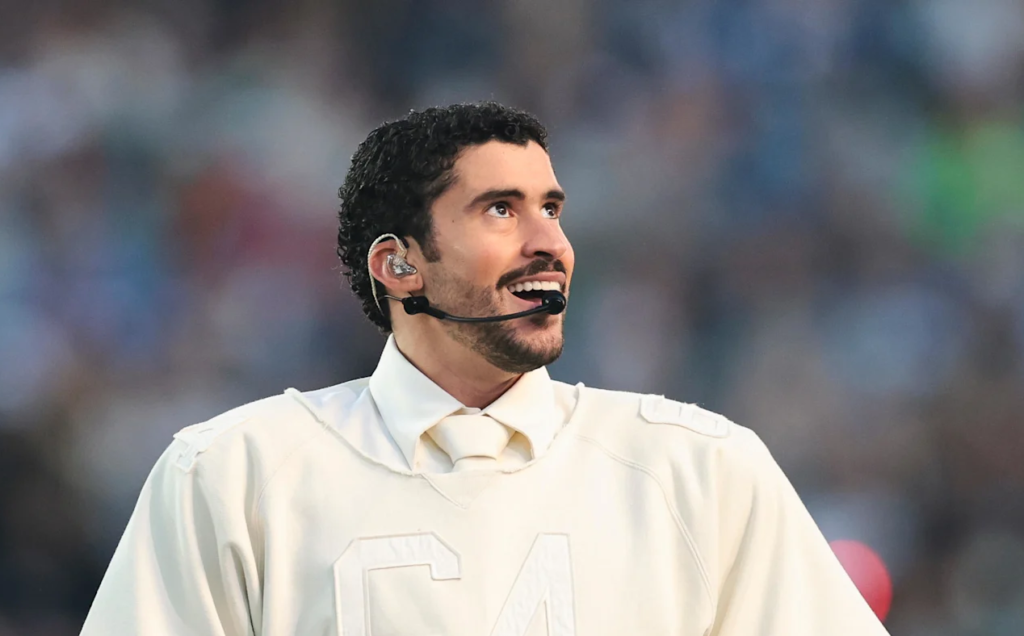
Bad Bunny’s headline performance at the Super Bowl LX Apple Music Halftime Show on February 8, 2026 has become one of the most talked-about cultural moments of the year. While millions tuned in to witness the Puerto Rican star bring Latin music and culture to one of the world’s largest entertainment platforms, his show also ignited a heated national debate that goes far beyond music.
This blog post breaks down the key controversies, praise, and conversations unfolding in the wake of Bad Bunny’s halftime show — what critics are saying, what supporters are celebrating, and why this performance has elements that are about much more than just a musical set.
What Happened at the Halftime Show
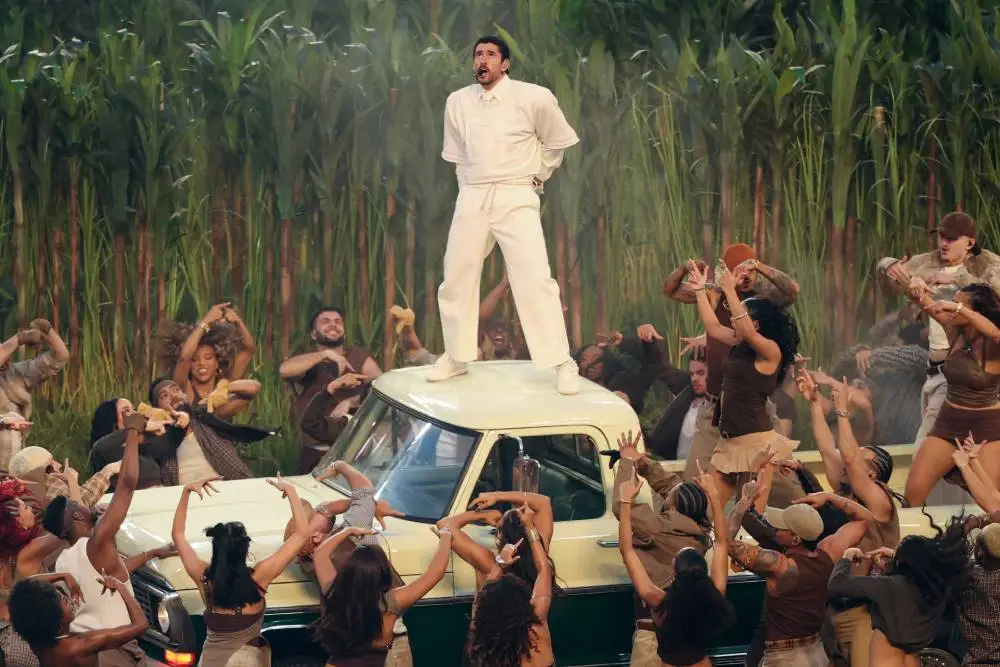
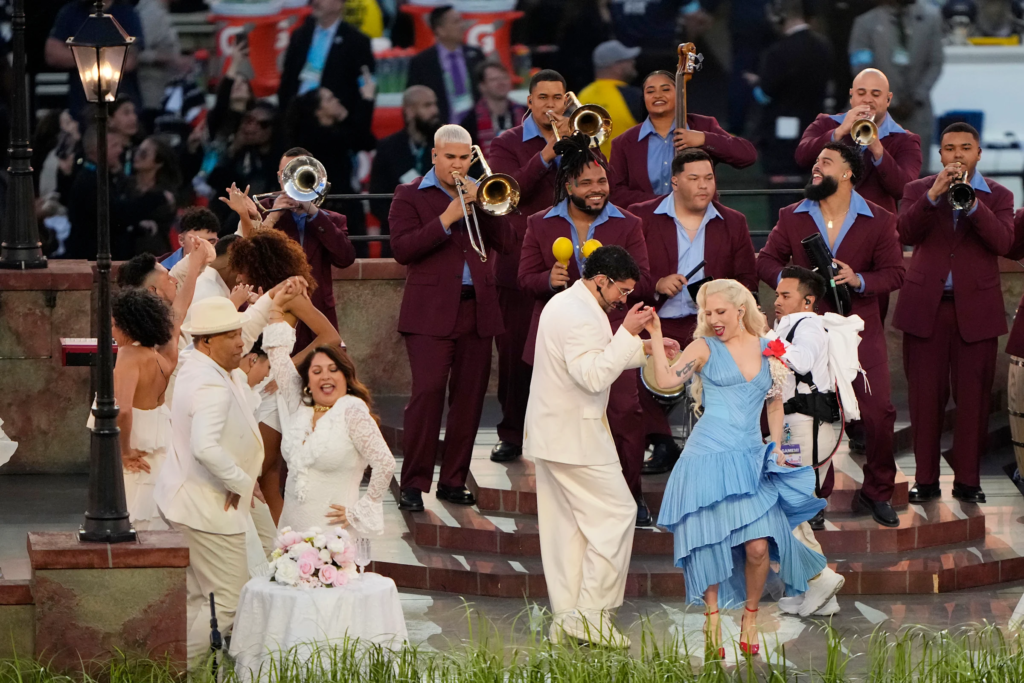
Bad Bunny made history at Super Bowl LX’s halftime show by headlining the performance almost entirely in Spanish and delivering a culturally rich set that blended music, visuals, and guest appearances from artists like Lady Gaga and Ricky Martin. The show celebrated his Puerto Rican heritage and Latin music’s global impact, and concluded with a message of unity across the Americas.
The performance included tracks such as Tití Me Preguntó, Yo Perreo Sola, and Party, with elaborate staging that referenced Puerto Rican life and reggaeton culture. Lady Gaga joined Bad Bunny for a salsa rendition of Die With A Smile, while Ricky Martin appeared for Lo Que Le Pasó a Hawaii.
Why It Sparked a National Debate
Despite widespread praise, the halftime show also stirred significant controversy, making it a cultural flashpoint rather than just a musical performance.
Language and Identity
A large part of the debate centered around Bad Bunny performing in Spanish on a stage traditionally dominated by English-language entertainment. Some critics argued that a major U.S. broadcast should prioritize English, sparking discussions about national identity and cultural representation. Prominent political figures, including former President Donald Trump and Rep. Marjorie Taylor Greene, publicly criticized the NFL’s decision to book Bad Bunny, framing the choice as “ridiculous” and questioning its place in American tradition.
This line of criticism tapped into deeper questions about what it means to be “American” in a multicultural society and whether major cultural platforms should reflect this diversity. The clash over language and identity cut across music, politics, and cultural commentary.
Politics and Symbolism
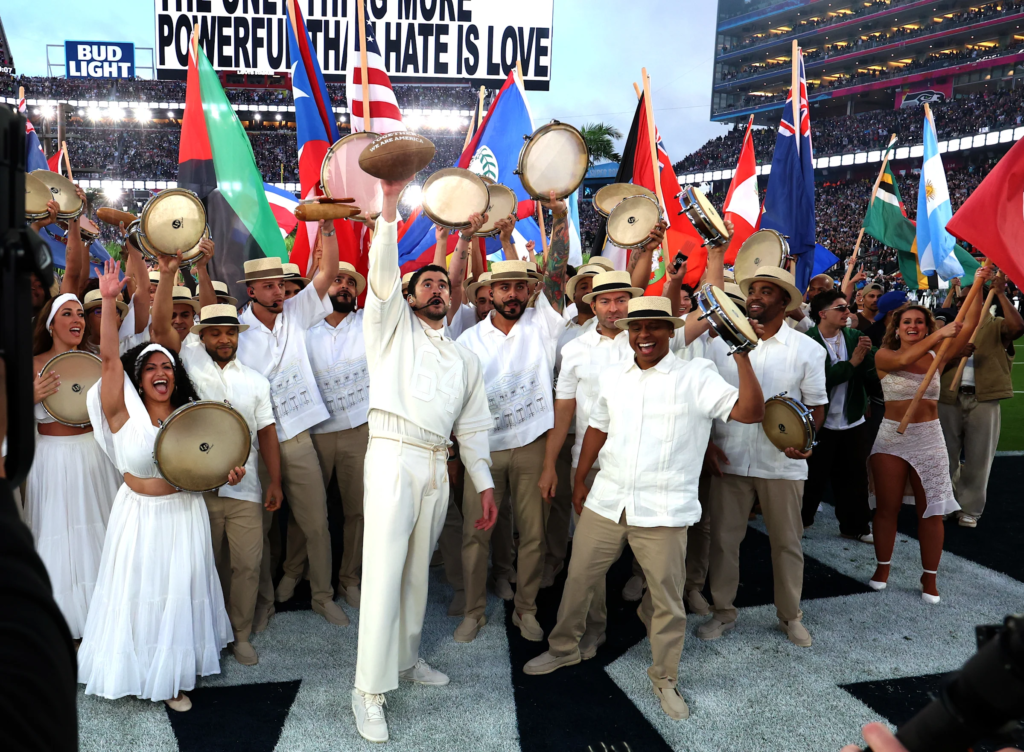
Beyond language, elements of the performance and Bad Bunny’s public persona introduced political undertones. The artist has been vocal about social issues, including Puerto Rico’s challenges and cultural pride, which some interpreted as political commentary on national television. This further fueled the debate among audiences who see mass entertainment as inherently political or as a force for social reflection.
Support and Praise
Despite the backlash, there was significant support for Bad Bunny and his halftime show:
- Industry figures, including NFL leadership and producers, defended the decision, emphasizing Bad Bunny’s massive global reach and artistic influence.
- Fans and celebrities celebrated the performance as a milestone for Latin music and cultural representation on a global platform. Celebrities such as Madonna and Cardi B publicly voiced their support.
- In Puerto Rico and across Latin American communities, many hailed the show as a powerful moment of pride. People on the island reportedly paused to applaud Bad Bunny’s performance, with watch parties and cultural celebrations dubbed events like “Super Bori Sunday.”
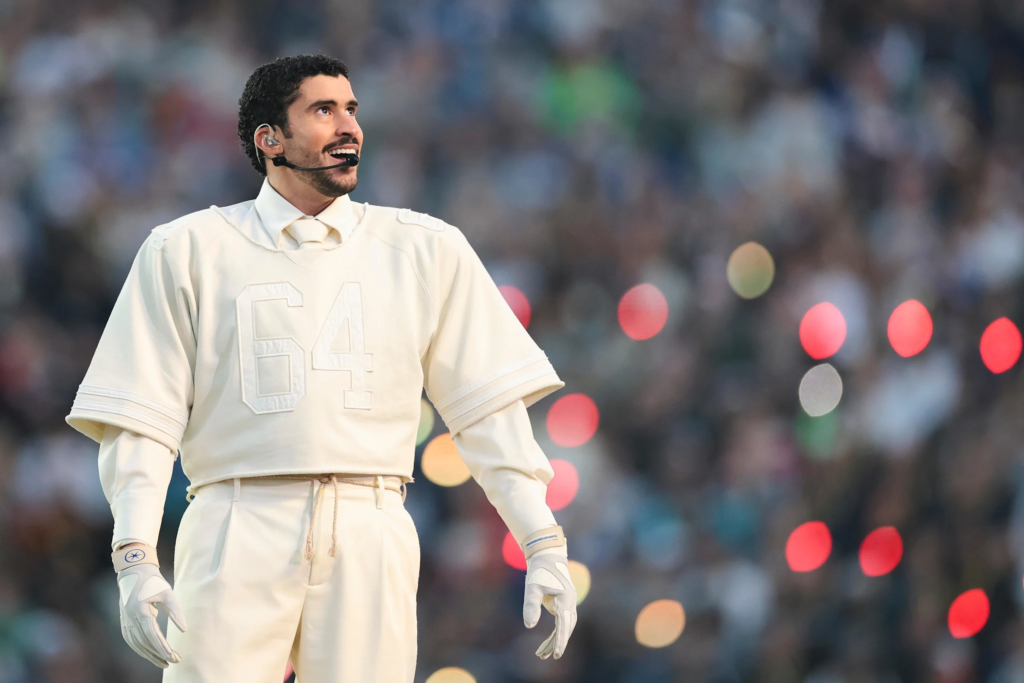
Supporters argue that music transcends language barriers and that the performance showcased cultural diversity in a positive light rather than undermining American entertainment.
The Cultural Impact
Whether you view it as a celebration or a provocation, Bad Bunny’s halftime show has sparked conversation about representation, inclusivity, and cultural identity in mainstream entertainment. It has prompted debates over language politics, artistic expression, and what it means to reflect America’s evolving cultural makeup on one of its most-watched television events.
This isn’t the first time a halftime show has ignited discussion, but it may be one of the most culturally significant — not simply because of the artist’s celebrity, but because it sits at the intersection of music, identity, and national symbolism.
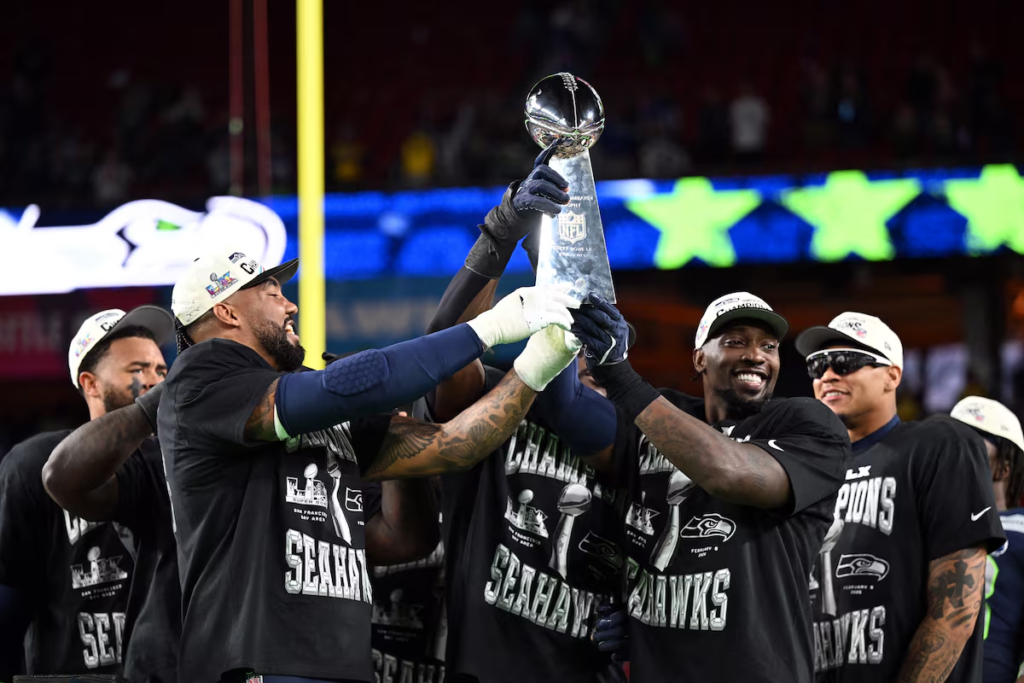
Super Bowl 2026 Results: Seahawks Secure 29-13 Victory Over New England
The Seattle Seahawks have emerged as champions of Super Bowl LX, defeating the New England…
Why Charlize Theron Is Everywhere Right Now: Films, Fashion & Fame
Charlize Theron’s name is trending across entertainment news, fashion circles, and global events more than…
Are M&M’s Safe to Eat? Latest Recall News and Expert Insights
M&M’s have long been one of the world’s most recognizable and loved chocolate candies. However,…
Final Thoughts
Bad Bunny’s halftime performance at the Super Bowl was more than just a set of songs. It was a moment that reflected ongoing societal conversations about culture, diversity, and identity in America and beyond. The debates it triggered — about language, representation, and national stages — show just how influential music and entertainment can be in shaping public discourse. Whether you loved it, questioned it, or fell somewhere in between, the conversation around this performance will continue long after the final note.
Myths vs Facts: Bad Bunny’s Halftime Show Debate
Myth 1: Bad Bunny was chosen only to push a political agenda
Fact: He was selected due to his massive global popularity, streaming dominance, and cultural influence, not for political messaging.
Myth 2: Performing mostly in Spanish broke NFL rules
Fact: There are no NFL rules about language during halftime shows; artists have full creative freedom.
Myth 3: Most viewers hated the performance
Fact: Viewer reactions were deeply divided, but social data showed strong support, especially among younger and global audiences.
Myth 4: This was the first controversial Super Bowl halftime show
Fact: Many past halftime shows sparked backlash, including performances by Beyoncé, Shakira, and Rihanna.
Myth 5: Latin music does not appeal to mainstream Super Bowl audiences
Fact: Latin artists consistently dominate global charts and streaming platforms, proving broad mainstream appeal.
Disclaimer : This blog post is based on current reporting and trending discussions from reputable news sources and public reaction trends available as of February 2026. Interpretations of cultural impact and audience sentiment are drawn from observed public discourse and referenced articles but remain subjective.
#BadBunny #SuperBowlLX #HalftimeShow #CulturalDebate #LatinMusic #NFL #RepresentationMatters #MusicAndIdentity #Carrerbook #Anslation